

Learn how many toilets a construction site needs to meet worker demands effectively. Ensure comfort and compliance with our comprehensive guide for project managers.
Why Construction Sites Need Suitable Toilet Facilities
Suitable toilet facilities are an essential part of any properly managed construction site. Workers may spend long hours on site, often carrying out demanding physical work, so they need clean, safe and convenient places to use the toilet. Providing suitable facilities supports basic comfort, personal dignity and good hygiene throughout the working day.
Poor toilet provision can quickly cause problems. If there are too few toilets, workers may have to queue or walk long distances to reach them. This can waste working time and may encourage people to delay using the facilities. Toilets that become heavily used can also become dirty more quickly, particularly when cleaning and waste removal arrangements have not been planned around the number of users.
Good facilities can also support the wider management of a construction site. Clean toilets, reliable handwashing facilities and sensible placement show that worker welfare has been considered as part of the project. This can help create a more organised working environment and make welfare areas easier to supervise, clean and maintain.
Toilet provision should therefore be planned alongside other essential site arrangements rather than treated as an afterthought. Worker numbers, working hours, accessibility, cleaning needs and available services should all be considered before facilities are installed. Reviewing these arrangements throughout the project helps ensure that the toilets remain suitable as the site develops and working conditions change.
What Factors Affect the Number of Toilets Required?
The number of toilets required on a construction site depends on more than simply counting the people who work there. Worker numbers provide an important starting point, but the way the site operates can make a significant difference. A site where everyone starts work at the same time may experience much greater demand during breaks than one where working hours are spread throughout the day.
The type and layout of the project should also be considered. Workers on a compact building site may be able to reach a central welfare area easily. On a large development, workers could be spread across several buildings, floors or work zones. In this situation, providing additional toilets in different parts of the site may be more practical than expecting everybody to use one location.
The length of the project can affect the type of facilities that are suitable. A short project may be well served by portable toilets with self-contained waste tanks. Longer projects may justify larger welfare units or toilets connected to permanent water and drainage services where these are available. Servicing requirements must also match the amount of use each facility receives.
Other considerations include male and female workers, accessible facilities, visitors, subcontractors and changing workforce numbers. Weather, access for servicing vehicles and the availability of water may also influence the final arrangement. Looking at all of these factors together helps site managers provide enough facilities without relying on a simple calculation that may not reflect actual site conditions.
How Many Workers Will Be on Site?
The number of workers using the site is one of the main factors when deciding how many toilets to provide. Site managers should consider the maximum number of people likely to be present rather than relying only on the average daily workforce. This provides a better indication of the level of demand the facilities may need to handle.
Construction workforce numbers can change considerably during different stages of a project. Groundwork teams may be replaced by structural workers, electricians, plumbers, decorators and other trades as work progresses. Some stages may involve several contractors working at the same time, increasing the number of people on site for several weeks or months.
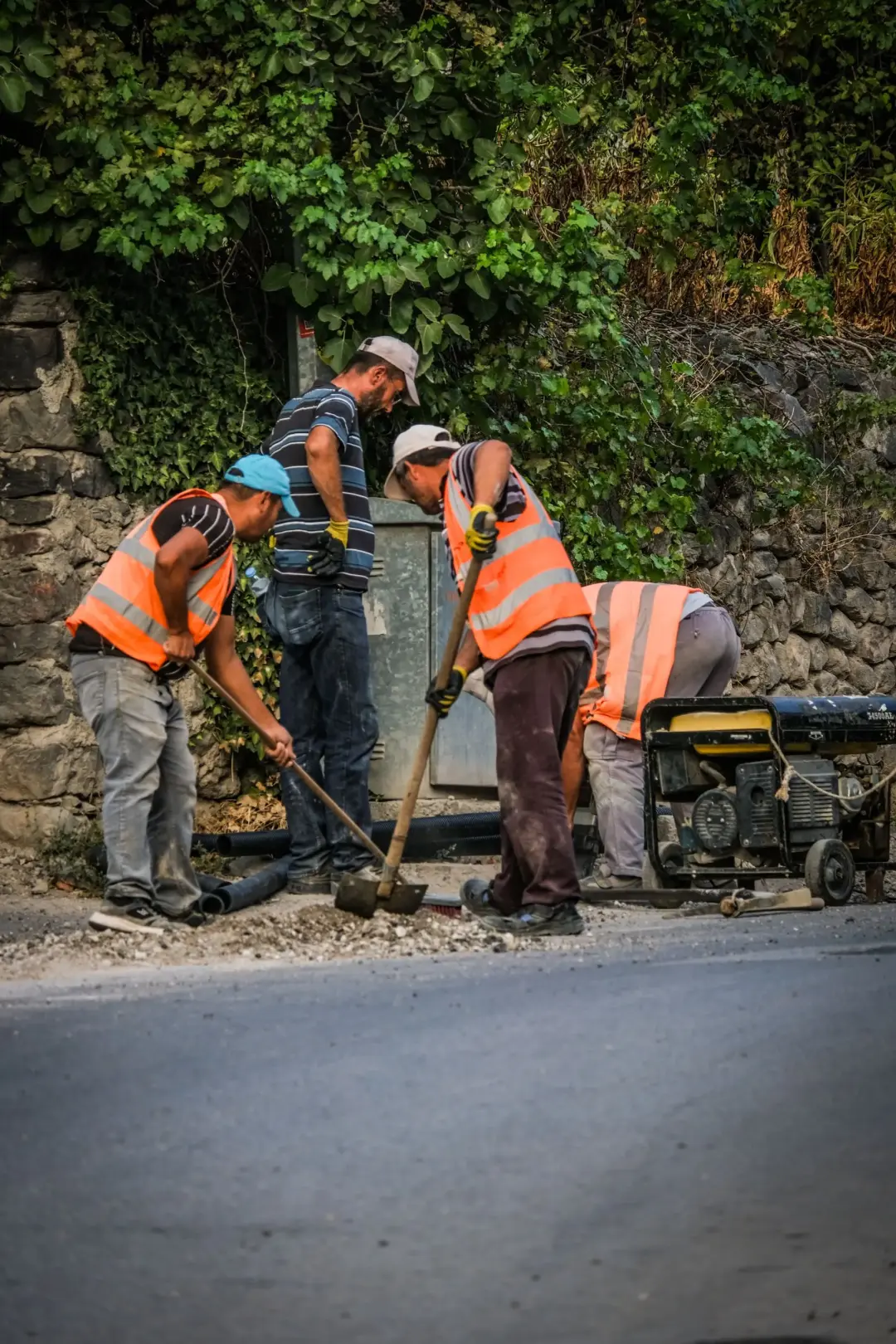
It is also important to include people who may not be counted as permanent site workers. Supervisors, delivery teams, inspectors, engineers, clients and other visitors may also need access to welfare facilities.
Although occasional visitors may not greatly affect demand, frequent site activity can increase toilet use enough to justify extra capacity.
Worker numbers should therefore be reviewed regularly rather than calculated once at the beginning of the project. Site managers can compare actual toilet use with expected demand and look for signs that more facilities are required, such as regular queues, facilities becoming dirty too quickly or waste tanks filling earlier than expected.
Adding capacity before these problems become serious can help keep the welfare arrangements practical, hygienic and suitable for everybody working on or visiting the site.
How Long Will the Construction Project Last?
Project length can influence both the number and type of toilets chosen for a construction site. A project lasting only a few days may have very different requirements from a development expected to continue for several years. The longer workers will depend on temporary welfare facilities, the more important comfort, durability and servicing arrangements become.
For short projects, simple portable toilets may provide a practical solution because they can be delivered quickly and removed when work finishes. These units usually require little preparation and can often be positioned without permanent drainage connections. The main concern is ensuring that there are enough units for the workforce and that servicing is arranged according to the amount of use.
Longer projects may justify more substantial arrangements. Welfare cabins, larger toilet blocks or mains-connected facilities can provide improved comfort where water and drainage services are available. A long project also gives site managers more reason to consider factors such as heating, lighting, ventilation, separate facilities and more permanent handwashing areas.
Project length can also affect maintenance planning. Toilets that remain on site for months will experience considerably more wear than units used for a short project. Regular inspections, cleaning, repairs and waste removal should therefore form part of the site welfare plan. When the project moves through different stages, the facilities may also need to be moved or increased. Planning for the full project rather than only the opening stage can make these changes easier to manage.
Are Male and Female Facilities Needed?
The makeup of the workforce should be considered when planning toilet facilities. Construction sites should provide arrangements that allow workers to use toilets with appropriate privacy and dignity. As construction workforces become more varied, site managers should avoid assuming that the workforce will consist entirely of men.
Separate facilities may be appropriate where both male and female workers are regularly present. This can be achieved through separate toilet units, clearly designated cubicles or suitable toilet blocks. The exact arrangement will depend on the size of the workforce, the site layout and the facilities available, but privacy should always remain an important consideration.
It is also worth thinking ahead when the project begins. A site may have a mainly male workforce during the early stages but employ more female workers as different trades arrive. Waiting until facilities are already inadequate can create unnecessary disruption. Asking contractors for expected workforce numbers and reviewing future staffing plans can make it easier to prepare suitable facilities in advance.
Visitors should also be considered. Clients, surveyors, inspectors and other people who attend the site may need to use the welfare facilities even if they are only present for a short time. Providing clean and clearly identified toilets can make these visits easier to manage. The aim should be to create arrangements that work for the actual people using the site rather than relying on assumptions about who is likely to be present.
How Shift Patterns Affect Toilet Numbers
Shift patterns can change the way toilet facilities are used, even when the total number of workers remains the same. A site operating one standard daytime shift may experience heavy toilet use before work starts, during scheduled breaks and around lunchtime. Facilities need enough capacity to cope with these concentrated periods without creating long queues.
Sites working several shifts may have different requirements. If workers leave before the next team arrives, the same toilets may serve a larger total number of workers across the day because fewer people are present at one time. However, this only works if cleaning, waste capacity and servicing arrangements can support the additional daily use.
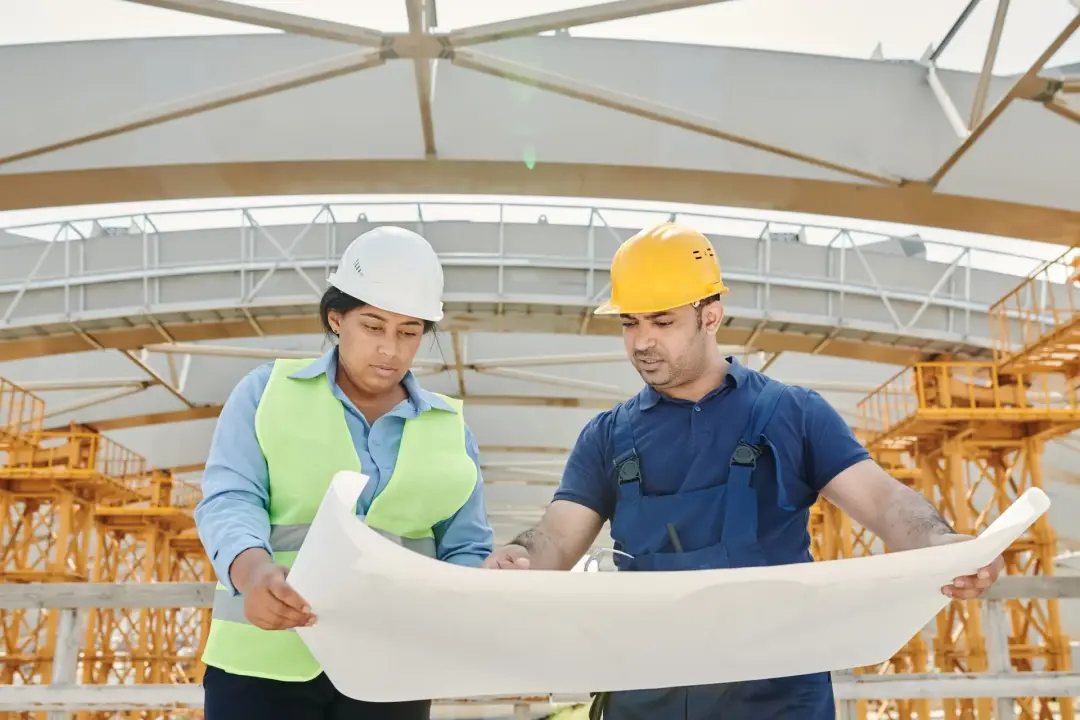
Overlapping shifts require particular attention. A site might have a period when the day team is finishing while an evening team is arriving. During this overlap, the number of people present may temporarily increase well above normal levels. Similar peaks can happen when specialist contractors carry out short periods of work alongside the main workforce.
Night work also introduces additional considerations. Toilets should be safely accessible and suitably lit so workers can reach and use them after dark. Cleaning schedules may need to be arranged around shift changes to avoid disrupting workers and to ensure that incoming teams receive clean facilities. Understanding when workers are actually present helps site managers plan toilet numbers around real demand rather than simply using the total number of people employed on the project.
Toilet Requirements for Small Construction Sites
Small construction sites generally have fewer workers, but suitable toilet facilities are still essential. A domestic extension, roofing project, refurbishment or small commercial job may only have a handful of people working at one time. In many cases, one well-maintained portable toilet may provide enough capacity, depending on workforce size, working hours and servicing arrangements.
Site managers should not assume that workers can use facilities belonging to the customer or a nearby business. Access may be restricted, particularly during renovation work or projects where the existing building is not occupied. Providing dedicated site toilets gives workers reliable access without depending on arrangements that could change during the project.
Space can be a challenge on smaller sites. Portable toilets should be placed somewhere convenient for workers while remaining clear of vehicle movements, lifting areas and other hazards. The servicing company must also be able to reach the unit safely for cleaning and waste removal. A suitable location agreed before delivery can prevent the toilet from becoming an obstruction later.
Even a single toilet requires proper maintenance. Cleaning frequency should match the amount of use, and supplies such as toilet paper, soap and water should be checked regularly. If workforce numbers increase or additional contractors arrive, the original arrangement should be reviewed. Small projects can change quickly, so toilet provision should be flexible enough to increase when necessary.
Toilet Requirements for Large Construction Sites
Large construction sites usually require a more detailed approach to toilet planning because many workers may be spread across a wide area. Large housing developments, commercial buildings and major engineering projects can involve hundreds of workers from different contractors, often working in several locations and on different schedules.
Providing one central toilet area may not always be practical. Workers based at the opposite end of a large site could spend significant time travelling to and from the facilities. Additional toilet points placed near active work areas can reduce unnecessary walking and make facilities easier to reach during breaks. The layout should be reviewed as the project develops and work moves to different areas.
Larger sites may also require different types of facilities. Portable toilets can provide flexible capacity, while welfare cabins or toilet blocks may offer a more comfortable option for long-term projects. Separate male and female facilities, accessible toilets and suitable handwashing stations may all form part of the overall welfare arrangement.
Servicing becomes especially important when many people use the facilities every day. Cleaning schedules, waste removal and supply replacement should be based on actual usage rather than a fixed routine that may be insufficient. Site managers should monitor the condition of facilities and maintain contact with the hire provider. A combination of sufficient numbers, sensible placement and dependable servicing can help prevent common problems associated with heavily used construction toilets.
When Additional Toilets May Be Needed
Even when the original toilet provision was suitable, changing site conditions can create a need for additional facilities. Construction projects rarely maintain exactly the same workforce throughout their full duration. New contractors may arrive, deadlines may lead to increased staffing, or several work stages may overlap unexpectedly.
Queues are one of the clearest signs that additional capacity should be considered. Occasional waiting may happen during busy breaks, but regular queues suggest that the available facilities are not meeting demand efficiently. Toilets becoming dirty or running out of supplies unusually quickly can provide another indication that usage has increased beyond the original plan.

Additional facilities may also be useful when work spreads into new areas. Workers moving into another building, floor or distant part of the site should not have to travel unreasonable distances to reach a toilet. Moving existing facilities may solve the problem in some cases, while larger sites may benefit from adding another toilet point closer to the new work area.
Temporary increases should not be overlooked. A project may employ extra workers for a short programme of work, or large numbers of subcontractors may attend during a particular stage. Hiring extra portable units for these periods can provide flexible capacity without permanently changing the site setup. Regularly reviewing workforce numbers, locations and working patterns allows facilities to be adjusted before shortages begin affecting hygiene or productivity.
Accessible Toilets for Construction Workers and Visitors
Accessible toilet facilities should be considered when planning welfare arrangements for construction workers and visitors. People with mobility needs should be able to use suitable facilities without facing unnecessary barriers. Providing an accessible toilet can also make the site more prepared for visitors whose needs may not have been known when the project began.
Accessible portable toilets generally provide more internal space than standard units. They may include wider entrances, support rails and layouts designed to make movement easier. The exact features can vary, so the hire provider should be asked what facilities are available and whether they are suitable for the expected users.
Location is particularly important. An accessible toilet should not be placed in an area that can only be reached across deep mud, loose ground, steep slopes or obstacles. A wider toilet is of limited use if the route to it cannot be used safely. Where possible, the approach should be firm, level and kept clear of stored materials and site equipment.
Site arrangements can change as construction progresses, so accessibility should be reviewed regularly. Temporary paths may be moved, ground conditions may deteriorate and work zones may change the route to welfare areas. Accessible facilities should remain genuinely usable throughout the project rather than simply being present on site. Discussing accessibility requirements with the hire provider can help site managers select an appropriate unit and position it effectively.
Where Should Site Toilets Be Placed?
Toilets should be positioned where workers can reach them easily without creating additional site hazards. A suitable location should be reasonably close to active work areas while remaining separate from vehicle routes, lifting operations, storage areas and other places where workers could be exposed to unnecessary risks.
Ground conditions are also important. Portable toilets need a stable and reasonably level surface so they remain secure during normal use and servicing. Areas prone to flooding, heavy mud or standing water should be avoided where possible. Workers should have a clear route to the facilities in wet weather and after dark.
Servicing access must be considered before the toilets are installed. Cleaning and waste removal vehicles may need to reach close to the units. Placing toilets somewhere that later becomes blocked by stored materials, scaffolding or construction work can make servicing difficult. It may also require units to be moved unexpectedly, creating extra work and possible disruption.
Convenience should be balanced with hygiene and general site organisation. Toilets should not normally be positioned immediately next to eating and rest areas, although welfare facilities may be grouped within a well-planned section of the site. On large developments, several toilet locations may be more practical than one central group. As work areas move, toilet positions should be reviewed so facilities remain accessible and do not become isolated from the people using them.
How Often Should Construction Toilets Be Serviced?
The correct servicing frequency depends on how many people use the toilets, the type of units provided and the amount of waste they can hold. A lightly used toilet on a small site may require less frequent attention than units serving a large workforce throughout long shifts.
Servicing usually involves more than simply removing waste. A thorough visit may include cleaning internal surfaces, replenishing toilet paper and other supplies, checking the condition of the unit and preparing it for continued use. Handwashing facilities may also need fresh water, soap or other supplies depending on the system being used.
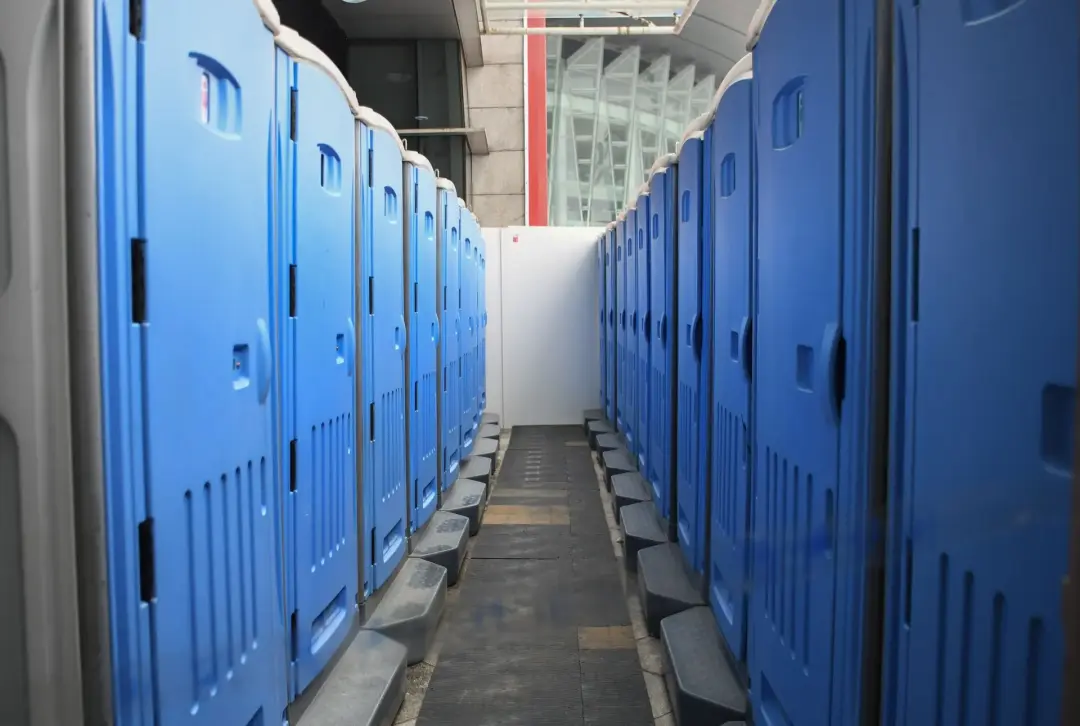
Site managers should monitor the facilities between scheduled visits. If a toilet repeatedly becomes unpleasant, runs out of supplies or approaches its waste capacity before the next service, the schedule may not be frequent enough. Increasing servicing can sometimes solve the problem without adding more units, although heavily used sites may require both additional toilets and more frequent cleaning.
Weather and site conditions can also influence cleanliness. Mud may be carried into units during wet periods, while hot weather can make waste management and ventilation more important. Service arrangements should therefore be flexible rather than fixed without review. A reliable hire provider should be able to recommend a schedule based on workforce numbers and adjust it if use changes during the project.
The Importance of Handwashing Facilities
Handwashing is an important part of construction site hygiene. Workers may handle soil, dust, building materials, tools and shared equipment throughout the day. Suitable washing facilities allow them to clean their hands before eating, after using the toilet and whenever their work leaves their hands dirty.
Toilet provision should therefore be considered together with handwashing arrangements. A toilet without a practical way to wash hands provides an incomplete welfare setup. Depending on the site, facilities may include wash basins within welfare units, separate handwashing stations or self-contained systems positioned close to portable toilets.
The facilities need appropriate supplies to remain useful. Water, soap and suitable drying arrangements should be checked regularly, particularly on busy sites. A sink that has run out of water or soap may be present physically but cannot provide the level of hygiene workers need. Responsibility for checking and replenishing these supplies should be clear.
Placement also matters. Handwashing facilities should be convenient enough that workers are likely to use them rather than having to travel to another part of the site. Larger projects may require several washing points close to toilet and rest areas. When workers carry out particularly dirty tasks, extra washing arrangements may also be useful near those work areas. Good hand hygiene supports worker welfare and helps reduce the spread of dirt and contamination around shared areas.
When to Choose Luxury Toilets for a Workplace
Luxury toilets may be suitable when a project requires a higher level of comfort or presentation than a standard portable unit provides. They can be particularly useful on long-running projects where workers will rely on temporary facilities for many months. Improved internal space, lighting, wash basins and other features can make daily use more comfortable.
The expected users should also influence the decision. A site that regularly welcomes clients, investors, professional visitors or members of the public may prefer facilities that provide a more finished appearance. This can be particularly relevant where the welfare area is close to site offices or visitor reception points.
Luxury facilities can also be useful when a project has suitable utility connections. Some units may require water, drainage or electrical supplies, so the site should be assessed before a decision is made. Delivery space and ground conditions may also be more demanding than those required for a single portable toilet.
Cost should be considered alongside practical benefit. Luxury toilets are not necessary for every construction site, and standard units can provide suitable facilities when they are properly maintained. The best option depends on project length, workforce expectations, visitors, available services and budget. Comparing the features and requirements of each type allows site managers to choose a facility that offers suitable comfort without paying for features the site does not need.
Planning for Changes in Worker Numbers
Construction workforce numbers often rise and fall throughout a project. Toilet planning should take these changes into account from the beginning rather than assuming the opening workforce will remain the same. Programme information and contractor schedules can help managers identify periods when more workers are likely to be present.
Major project stages can create sudden increases. Several trades may arrive at once during fitting-out work, or additional teams may be brought in to meet a deadline. If toilet capacity is already close to its practical limit, these increases can quickly lead to queues and heavier wear.
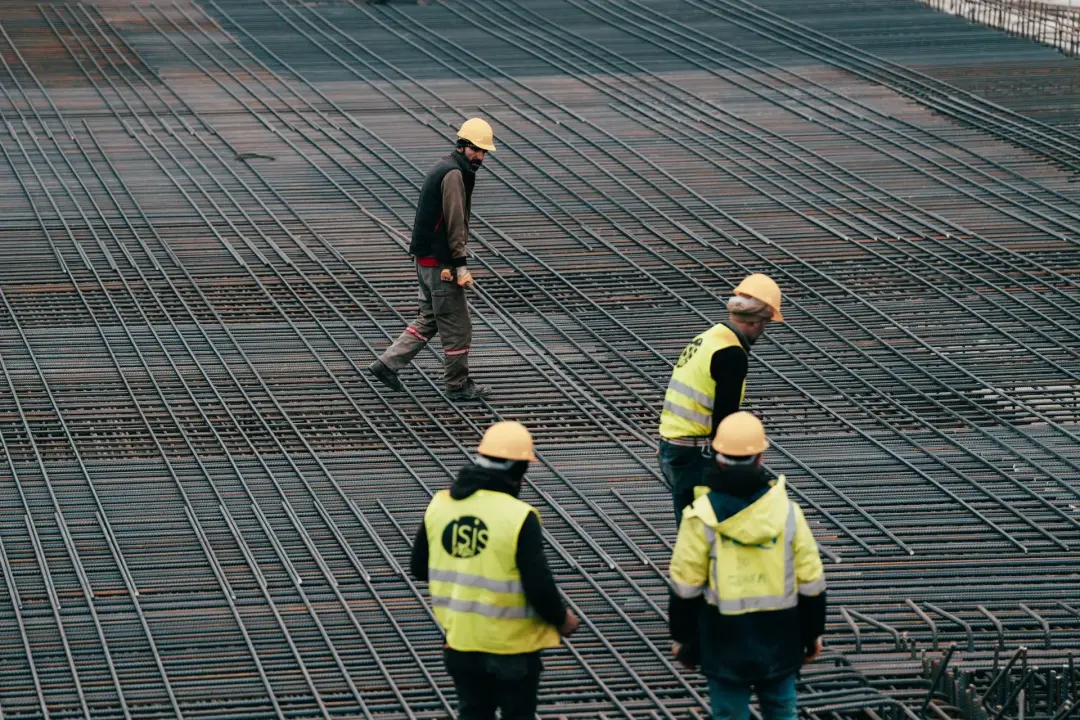
Temporary facilities provide useful flexibility. Additional portable toilets can be hired for periods of high activity and removed once workforce numbers fall again. This may be more practical than installing permanent additional capacity that will remain unused for much of the project. Site managers should speak to the hire provider early enough to arrange delivery before the larger workforce arrives.
Reductions also deserve attention. As a project approaches completion, fewer workers may remain on site and some toilet units may no longer be required. Removing unnecessary facilities can reduce hire and servicing costs while keeping enough capacity for the remaining workforce. Regular reviews allow toilet provision to follow the actual shape of the project instead of remaining unchanged from start to finish.
Choosing the Right Toilet Hire Provider
A suitable toilet hire provider should offer more than simply delivering units to the site. Construction toilets need regular cleaning, waste removal, supply replacement and dependable support throughout the hire period. These services should be discussed before an agreement is made.
The provider should be able to recommend appropriate facilities based on workforce numbers, project length and site conditions. A useful supplier will explain the differences between available toilet types and identify any requirements for water, drainage or power. They should also help determine whether additional handwashing or accessible facilities are needed.
Delivery and servicing arrangements should be clear. Site managers should understand when units will arrive, how often they will be serviced and how problems will be handled. Access requirements for delivery and waste removal vehicles should also be discussed so the site can prepare a suitable location before the toilets arrive.
Price is important, but the cheapest option may not provide the best overall service. Cleaning quality, reliability, replacement support and clear communication can have a significant effect on worker welfare over a long project. Comparing the full hire package rather than only the unit price makes it easier to choose a provider that can support the site throughout changing stages of construction.
With a wide range of portable toilets available for hire, customers in London can easily find the perfect solution to meet their specific needs. From luxury portable toilets for special events to standard ones for construction site projects, our company offers a diverse selection of high-quality facilities.


