
Assess the Size and Length of the Project
The size and length of the project provide a useful starting point when choosing site toilets. A short domestic project with a small work area will usually have very different welfare needs from a large commercial development covering several buildings or floors. Understanding the overall scale helps narrow down the most suitable facilities.
Project length can influence how much comfort and durability should be prioritised. For work lasting a few days or weeks, portable self-contained toilets can provide a convenient option because they are quick to position and require little permanent infrastructure. Longer projects may justify more substantial toilet blocks or welfare units.
The physical size of the site is equally important. Even if the total workforce is moderate, a large site may require several toilet locations so workers do not need to travel excessive distances. Future phases should also be considered because active work areas may move considerably as construction progresses.
Review the project programme before making a final decision. Identify periods of increased staffing, major changes in work location and stages when permanent services may become available. This information can help you choose facilities that can be moved, expanded or replaced as conditions change. Treating toilet provision as part of the wider site plan makes it easier to maintain suitable facilities throughout the entire construction period.
Consider the Number of Workers on Site
Worker numbers have a direct effect on the amount of toilet capacity a building site needs. Begin by estimating the largest number of people likely to be present at the same time rather than simply looking at the number of permanent employees.
Subcontractors should be included in this estimate. Building projects often involve several trades working side by side, particularly during busy stages. Supervisors, engineers and other regular site staff also contribute to daily use. Large numbers of visitors or delivery workers may create additional demand.
Consider when workers are most likely to use the facilities. Break times can create short periods of heavy use even when toilets are quiet during the rest of the day. Too few facilities may create queues during these periods and increase the amount of cleaning required.
Workforce forecasts should be reviewed as the project progresses. If additional teams are expected to arrive, arrange extra facilities before they start rather than waiting for existing toilets to become overloaded. When workforce numbers reduce, unwanted units can often be removed. Matching the number of toilets to actual worker numbers helps maintain cleanliness and convenience while avoiding unnecessary hire costs.
Standard or Luxury Toilets?
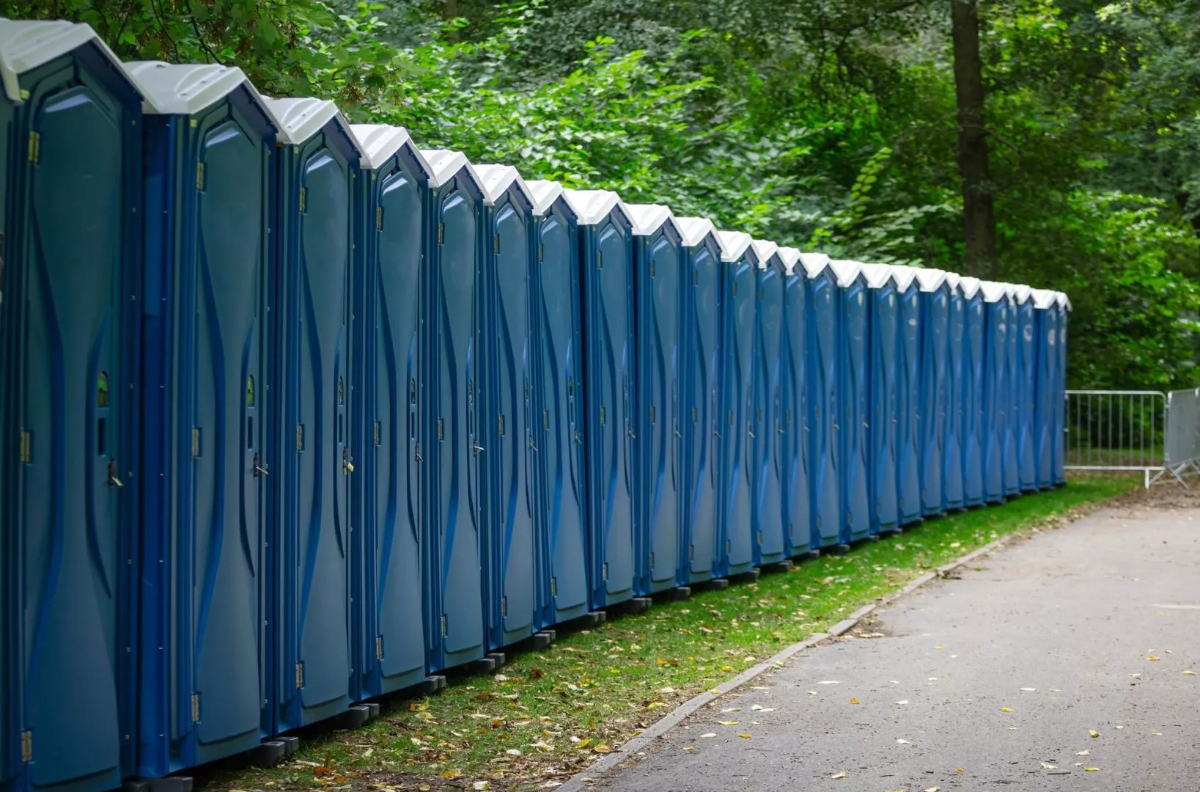
Standard portable toilets are a practical choice for many building sites. They are usually self-contained, relatively compact and easy to position. This makes them particularly useful when permanent water or drainage connections are not available.
Luxury toilets provide a higher level of comfort and may include improved interiors, lighting, flushing systems and more substantial wash facilities. They can be attractive for long projects where workers use temporary facilities every day for many months. They may also be appropriate on sites receiving frequent professional visitors.

The decision should be based on practical requirements rather than appearance alone. Some higher-specification facilities require electrical, water or drainage connections. They may also take up more space and need greater access for delivery. These requirements should be checked before placing an order.
Budget will also influence the choice. A well-maintained standard toilet can provide perfectly suitable facilities for many projects. Higher-specification units become worthwhile when their additional features deliver a clear benefit to workers, visitors or the operation of the site. Comparing both the hire price and servicing requirements can help determine which option offers better value for the project.
Understand the Main Types of Site Toilets
Building sites can use several types of temporary toilet facilities, and understanding the differences can make selection easier. Standard portable toilets are among the most common. These generally contain a toilet and self-contained waste tank within a compact individual unit.
Portable toilets with additional washing features may provide improved hygiene where separate handwashing points are limited. Larger welfare units can combine several toilets, wash basins and other facilities within one structure. These may be particularly useful on larger or longer projects.
Mains-connected toilets provide another option where suitable water and drainage services are available. They can operate more like permanent facilities and may reduce reliance on holding tanks. However, installation is less flexible because the toilets need to remain connected to the required services.
Accessible units are designed to provide more room and easier access for people with mobility needs. Sites may use a combination of different toilet types rather than choosing only one. For example, portable units may serve distant work areas while a larger toilet block is positioned near the main welfare area. Understanding what each option is designed to provide makes it easier to build an arrangement suited to the site.
Choose Between Portable and Mains-Connected Toilets
Portable toilets offer flexibility because they do not normally depend on permanent drainage systems. They can be delivered to many types of construction site and positioned wherever suitable ground and servicing access are available.
This flexibility is useful during early construction stages when water and drainage systems have not yet been installed. Portable units can also be moved as work areas change. Their waste is stored within the unit and removed during servicing, so a dependable cleaning and collection schedule is important.
Mains-connected toilets can provide a more permanent arrangement when suitable services are available. They may be well suited to long-term developments or established welfare compounds. Access to water and drainage can support conventional flushing and washing facilities.
The right choice depends on project length, services, site layout and the likelihood that the toilets will need to move. Some projects may use portable toilets initially before changing to connected facilities later. Others may keep a combination of both. Considering each project stage separately can help avoid choosing a facility that becomes inconvenient as the site develops.
Check Water, Drainage and Power Access
Available services can significantly affect which toilet facilities can be installed. Before selecting units, establish whether the proposed welfare area has access to water, drainage and electrical power.
Standard portable toilets often require few external services, which makes them useful on undeveloped sites. More substantial toilet blocks may require a reliable water supply for flushing and handwashing. Drainage arrangements must also be suitable for removing wastewater safely.

Power may be required for lighting, heating, pumps or other equipment within certain units. This becomes particularly important for facilities used during winter or night shifts. The location of the power source and the safe routing of connections should therefore be included in site planning.
Do not assume that services expected later in the project will be available immediately. Check the construction programme and confirm when each connection will become usable. Temporary toilets can bridge the gap until permanent services are ready. Discussing available utilities with the hire provider allows them to recommend facilities that can operate correctly from the day they are delivered.
Plan for Male and Female Workers
Toilet planning should reflect the people who will actually use the site. Building projects may include male and female employees, contractors, consultants and visitors, so facilities should provide suitable privacy for everybody.
Separate facilities may be appropriate where both male and female workers are present. This could involve separate portable units, clearly allocated cubicles or sections within a larger welfare block. The layout should make the intended arrangement easy to understand.
Future workforce changes should also be considered. The range of trades working on a project often changes over time, and the makeup of the workforce may change with it. Planning only for the people present during the opening weeks can create problems later.
Visitors should not be forgotten. A client, designer or inspector may need to use the facilities during a site visit. Clean, private and clearly identified toilets make the site easier to use for everyone. Reviewing workforce information with contractors before each major project stage can help ensure that the toilet setup continues to meet actual requirements.
Include Accessible Toilet Facilities
Accessible facilities help ensure that a site can meet the needs of workers and visitors with limited mobility. These toilets usually provide additional internal space and features intended to make access and movement easier.
Choosing an appropriate unit is only part of the process. The route to the toilet needs to be practical as well. Uneven surfaces, deep gravel, mud, steps and stored materials can make an otherwise accessible toilet difficult or impossible to reach.
Position the facility on firm, reasonably level ground with sufficient space around the entrance. Consider how the surrounding area will change as work develops. A clear route available during the first month may later become blocked by temporary fencing, equipment or excavation work.
Accessibility should therefore be checked as part of normal site inspections. If routes change, the toilet may need to be moved or the access route improved. Discussing expected requirements with the hire provider can also help identify a unit with appropriate dimensions and internal features. The aim should be to provide a facility that people can genuinely reach and use comfortably.
Consider Handwashing and Hygiene Needs
Good handwashing facilities are an important part of any building site welfare arrangement. Construction workers regularly handle dusty materials, tools, soil and shared surfaces, which makes convenient washing particularly important.
Some toilet facilities include internal handwashing arrangements, while other sites use separate washing stations. The most suitable option depends on the number of workers, the type of work and the location of the toilets. Large sites may need several washing points.
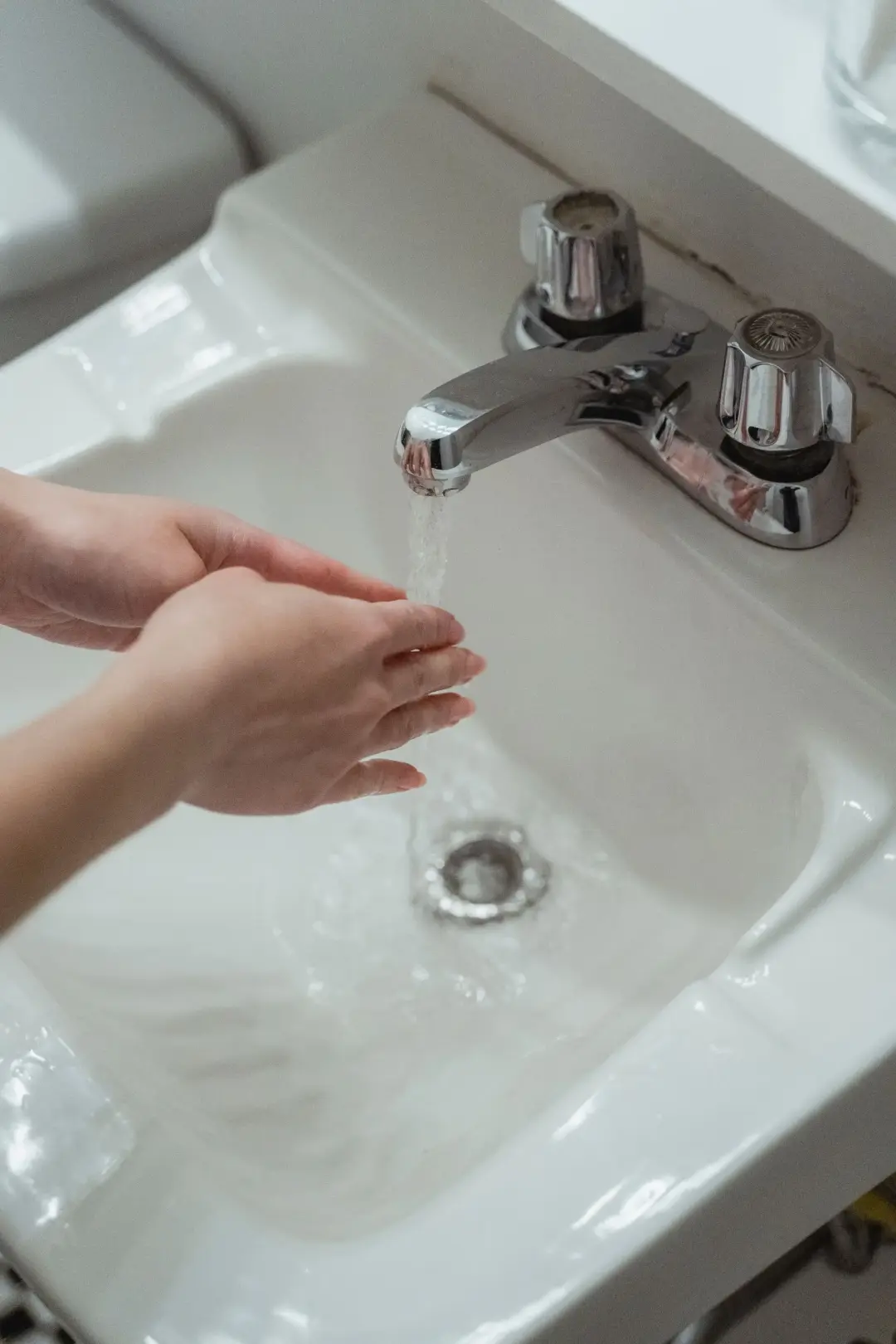
Supplies must be maintained as carefully as the facilities themselves. Water and soap should be available when workers need them, and suitable drying arrangements should be provided. Regular checks help prevent supplies from running out between scheduled service visits.
Think about hygiene needs beyond the toilet area as well. Workers carrying out particularly dirty activities may benefit from additional washing points closer to their work location. Facilities should also be conveniently placed near rest areas so workers can clean their hands before eating. Building handwashing into the overall welfare plan creates a more practical and hygienic working environment.
Choose the Right Location for Each Toilet
The location of site toilets affects convenience, safety and servicing. Facilities should be close enough to work areas for workers to reach them without unreasonable travel, but they should not obstruct construction activity.
Avoid placing toilets directly in busy vehicle routes, loading areas or locations likely to be required for future building work. A clear pedestrian approach helps workers reach the facilities safely without crossing unnecessary traffic routes.
Ground conditions should be stable enough to support the units. Portable toilets placed on uneven or waterlogged ground may become difficult to use or service. Drainage around the welfare area should also be considered during wet weather.
Finally, check access for the servicing team. Waste removal and cleaning equipment may need to get close to the toilets. A location that seems convenient on delivery day could become inaccessible once scaffolding, stored materials or temporary structures are added. Looking ahead at planned construction activity can reduce the need to move facilities repeatedly.
Check How Often the Toilets Will Be Serviced
Servicing arrangements can make a major difference to the condition of construction toilets. Before hiring facilities, ask how often they will be cleaned, emptied and restocked. The correct frequency depends on the number of users. A small workforce may generate relatively little waste, while a busy site can place heavy demands on toilet units each day. Longer working hours and multiple shifts increase usage further.
Regular site checks should support the formal service schedule. Workers or supervisors should report problems such as damaged equipment, missing supplies or unpleasant conditions. This allows the hire provider to respond before the next planned visit where necessary.
The servicing agreement should also explain what happens if worker numbers increase. A provider should be able to adjust visit frequency or supply additional units when needed. Choosing a suitable servicing plan at the beginning and reviewing it regularly helps keep facilities clean and prevents waste capacity from becoming a problem.
Consider Waste Storage and Removal
Waste management is particularly important when portable toilets use internal holding tanks. These tanks have limited capacity and need to be emptied before they become too full.
The amount of waste generated depends on worker numbers and daily use. Sites operating long hours or several shifts may require more frequent removal than a project working a standard daytime schedule.
Servicing vehicles also need suitable access. The proposed toilet location should allow waste removal equipment to reach the units without travelling through unsafe or restricted parts of the site. Changes to temporary roads and work zones should be communicated to the provider.
Site managers should understand how waste will be managed before the hire begins. Asking about tank capacity, expected servicing frequency and emergency arrangements can prevent unpleasant problems later. Waste removal should form part of the planned welfare service rather than being dealt with only when a unit becomes full.
Plan for Cold, Wet or Hot Weather
Weather can affect both the comfort and condition of building site toilets. Facilities need to remain usable throughout changing seasons, especially on long projects.
Wet weather can create muddy access routes and increase the amount of dirt carried into toilets. Positioning units on stable ground and providing a suitable path can help keep access safer and the interior cleaner.
Cold conditions may make some facilities uncomfortable, particularly on sites operating early in the morning or overnight. Larger welfare units may offer heating where suitable power is available. Lighting is also important during shorter winter days.
Hot weather creates different challenges. Ventilation, cleaning and waste servicing become especially important as temperatures rise. Toilets may also become uncomfortable if positioned where they receive strong sunlight throughout the day. Considering seasonal conditions before installation helps ensure that facilities remain suitable rather than requiring major changes whenever the weather changes.
Compare Hire Costs and Contract Terms
Price is an important part of choosing site toilets, but the quoted hire figure should not be considered in isolation. Different providers may include different services within their prices.
Ask whether delivery, collection, cleaning, waste removal and supply replacement are included. A cheaper basic hire charge may become more expensive once these services are added separately. Understanding the full cost makes comparisons more meaningful.

Contract length should also match the project programme. Some providers may offer different arrangements for short and long hires. Check what happens if the project finishes early, continues longer than expected or requires additional units.
Review any charges relating to damage, relocation, missed servicing access or changes to the agreement. Clear terms make it easier to control project costs and avoid unexpected invoices. Comparing the complete service and contract conditions rather than only the headline price can help identify the option that provides better overall value.
Check Delivery and Collection Access
Toilet units cannot be installed successfully unless the delivery vehicle can reach the intended location. Access should therefore be checked before the delivery date.
Consider gate widths, road surfaces, turning space and overhead restrictions. Large welfare units may require considerably more space than individual portable toilets. The provider should be told about any access limitations in advance.
Collection needs should also be considered. A route that is open at the start of a project may later become blocked by construction work, stored materials or temporary structures. Facilities may need to be moved before this happens.
Safe access for regular servicing is equally important. Delivery may only happen once, but cleaning and waste removal vehicles may visit repeatedly throughout the hire period. Including welfare servicing in the site traffic plan can help avoid clashes with other deliveries and construction activity.
Choose a Reliable Toilet Hire Provider
The quality of the hire provider can have a major effect on how well site toilets perform throughout the project. Reliable servicing and support are just as important as the facilities themselves.
Look for a provider that can explain the different toilet options clearly and recommend facilities based on workforce size, project length and available services. They should also be able to discuss accessible units, handwashing facilities and servicing requirements.
Communication is important when site conditions change. Workforce numbers may increase, units may need to move or an unexpected problem may require additional cleaning. A provider that can respond to these changes can make welfare management considerably easier.
Before choosing, compare the complete service rather than focusing only on hire price. Consider delivery arrangements, cleaning standards, waste removal, support and contract flexibility. A dependable provider should help ensure that facilities remain clean, operational and appropriate throughout the project, allowing the site team to concentrate on managing the construction work itself.
With a wide range of portable toilets available for hire, customers in London can easily find the perfect solution to meet their specific needs. From luxury portable toilets for special events or construction site projects, our company offers a diverse selection of high-quality facilities.